
The Small Business Cash-Flow Cost of Late Payments
Learn how late invoices affect payroll, taxes, hiring, and growth—and how to measure their true cost beyond the balance due.
Late Payments Cost More Than the Invoice Balance

An overdue invoice does not simply delay revenue; it creates a cash-flow management problem that can spread across the business. When expected money fails to arrive, owners may use savings, credit cards, or short-term loans to cover ordinary expenses. The resulting interest, transaction fees, and administrative work become part of the true cost of slow-paying customers. Even a profitable business can feel financially strained when cash arrives weeks after obligations are due.
The first step is to measure the gap between invoiced revenue and collected cash. Track the total value of overdue invoices, average days to payment, and the percentage paid late. Then estimate the financing cost of covering that gap, along with staff time spent checking payment status, sending reminders, and reconciling accounts. For freelancers and small agencies, also record the opportunities delayed because attention is diverted to collections. These figures turn late payments from a vague frustration into a measurable accounts receivable expense.
How Delayed Cash Affects Payroll, Taxes, and Growth

Payroll is often the most immediate pressure point. A business may have completed work and earned revenue, yet still struggle to pay employees or contractors on schedule because customers have not paid. Owners may postpone their own compensation, reduce hours, or rely on emergency borrowing. Tax obligations create another risk: sales tax, payroll tax, and estimated income tax may be due based on activity or accounting rules before the related customer cash has arrived. Late payments can therefore produce penalties, stress, and avoidable borrowing.
Growth decisions are affected too. Hiring, purchasing equipment, accepting larger projects, and investing in marketing all require confidence about available cash. If receivables are uncertain, an owner may reject good opportunities or delay expansion. A useful cash-flow management exercise is to create two forecasts: one based on invoice due dates and another based on actual customer payment behavior. Comparing the scenarios reveals how much working capital is needed to withstand late payments and which customers or payment terms create the greatest exposure.
Measure the Risk and Build a More Reliable Collection Process
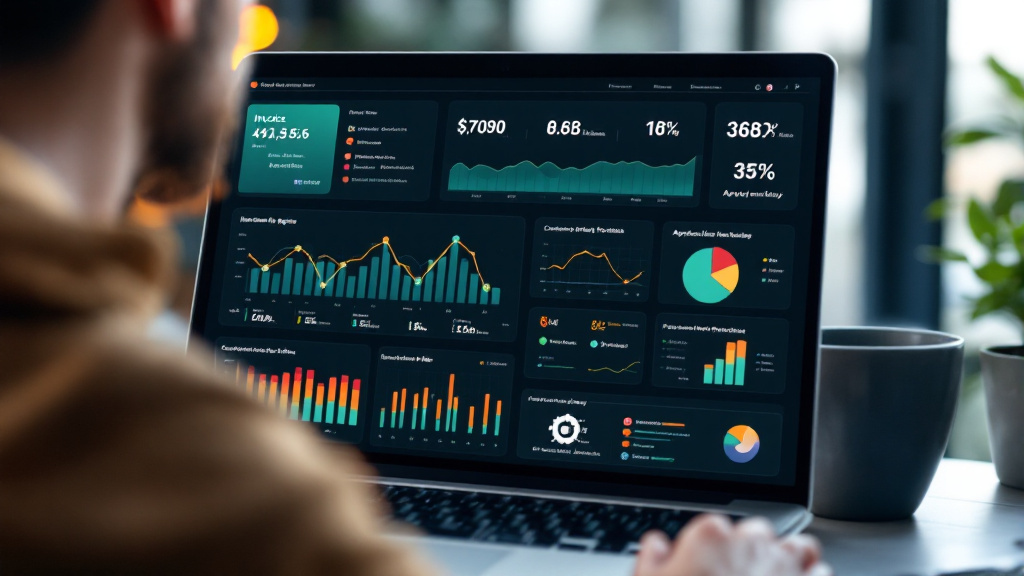
A practical response combines better measurement with consistent follow-up. Segment customers by payment history, invoice size, industry, and current aging. Monitor when invoices are delivered, viewed, partially paid, disputed, or ignored. Useful indicators include days sales outstanding, collection effectiveness, promise-to-pay rates, and the percentage of invoices more than 30 days overdue. Reviewing these measures each month helps identify whether a problem comes from unclear terms, inconvenient payment methods, weak reminders, or a small number of consistently late accounts.
Automation can make the process more timely without making it impersonal. InvoiceFlow, for example, can create branded invoices with hosted payment links, track delivery and payment activity, and use explainable payment-risk predictions to recommend a follow-up channel, tone, timing, and message. Owners can approve each reminder or automate appropriate steps while retaining control over customer relationships. The goal is not aggressive collections; it is predictable communication, earlier visibility, and fewer cash-flow surprises. When businesses measure the full cost of late payments and act before invoices become seriously overdue, they can protect payroll, plan taxes, and make growth decisions with greater confidence.